A Deep Dive into the Injection Molding Process for Quality Production
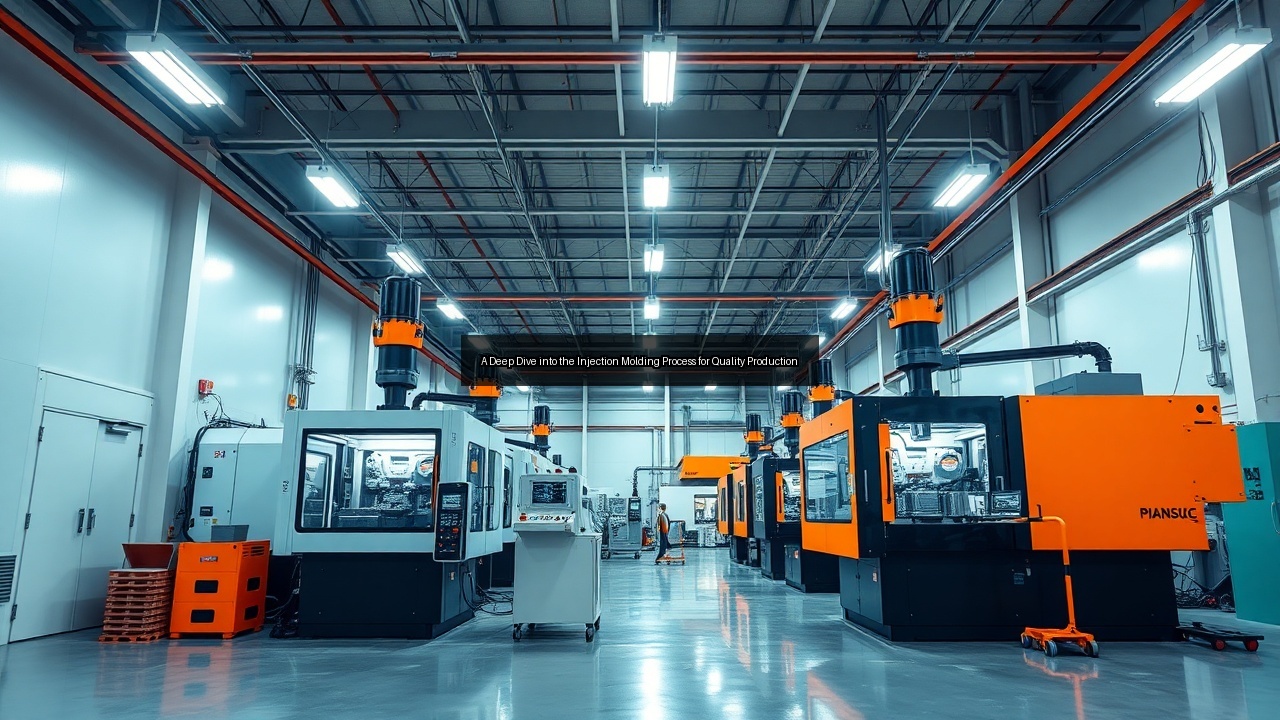
Understanding the Injection Molding Process
What is Injection Molding?
Injection molding transforms raw plastic pellets into precise, repeatable parts through a controlled cycle of heating, injection, cooling, and ejection. The method delivers tight tolerances and complex geometries that other forming techniques struggle to match. Manufacturers favor it for high-volume runs because each cycle produces finished components with minimal secondary operations. Designers select resins based on mechanical needs, while mold makers engineer cavities to account for shrinkage and flow patterns. This approach supports industries ranging from medical devices to electronics housings. Companies that master the fundamentals reduce scrap rates and shorten lead times. The process scales from prototype quantities to millions of units without sacrificing consistency.
Key Components of Injection Molding
Every injection molding cell relies on four core systems working in sequence. The injection unit melts and meters plastic into the mold. The clamping unit holds the mold halves together under high pressure to prevent flash. The mold itself contains the cavity, runner system, and cooling channels that shape and solidify the part. Finally, the ejection system releases the finished piece without damage. Auxiliary equipment such as dryers, temperature controllers, and robots further stabilize output. When these elements operate in sync, cycle times drop and part quality rises. Selecting the right barrel size, clamp tonnage, and cooling layout directly affects throughput and dimensional accuracy.
The Injection Molding Process Explained
The cycle begins when plastic pellets enter the barrel and advance toward the nozzle under screw rotation and heat. Once the melt reaches the correct viscosity, the screw injects it into the closed mold at high speed and pressure. Packing pressure then compensates for shrinkage as the material cools inside the cavity. After solidification, the mold opens and ejector pins or plates push the part free. Operators monitor parameters such as melt temperature, fill time, and back pressure to maintain repeatability. Modern machines log these values in real time, allowing quick adjustments that prevent defects. Efficient process control keeps production running smoothly and supports tight specifications demanded by automotive and consumer electronics sectors.
Types of Injection Molding Techniques
Single-Shot Injection Molding
Single-shot injection molding remains the most common approach because it processes one material in a single cycle. The technique suits straightforward parts that require only one color or resin type. Tooling costs stay lower than multi-material options, and cycle times remain competitive for high volumes. Engineers optimize gate location and runner design to achieve uniform filling and minimal warpage. Many plastic injection molding manufacturers rely on single-shot machines for everyday components such as housings, caps, and brackets. Process validation focuses on pressure curves and cooling rates to ensure consistent wall thickness. This method delivers reliable economics when part geometry and material requirements stay simple.
Two-Shot Injection Molding
Two-shot injection molding injects two different materials or colors into the same mold during one cycle. The first shot forms the base structure, then the mold rotates or shifts so the second shot bonds to it. This technique eliminates assembly steps and creates soft-touch grips, seals, or multi-color graphics in a single part. Proper material compatibility prevents delamination and ensures strong adhesion. Cycle times lengthen slightly compared with single-shot methods, yet overall part cost drops because secondary operations disappear. Automotive interior trim and medical device handles often use two-shot injection molding to improve ergonomics and aesthetics. Tooling complexity increases, so experienced plastic injection molding manufacturers invest in precise rotary tables and aligned cavities.
Insert Molding vs. Injection Molding
Insert molding places metal or other pre-formed components inside the mold before plastic injection begins, encapsulating them in one step. Standard injection molding fills an empty cavity without inserts. The insert approach adds strength, electrical conductivity, or threaded features without extra fasteners. Parts emerge ready for use, cutting labor and improving alignment accuracy. Tooling must account for insert placement and retention, so design reviews focus on draft angles and material flow around the insert. Many manufacturers choose insert molding for connectors, gears, and sensor housings. When compared with post-mold assembly, the method reduces handling damage and improves product reliability across demanding applications.
Choosing the Right Plastic Injection Molding Manufacturer
Factors to Consider When Selecting a Manufacturer
Evaluate a plastic injection molding manufacturer on technical capability, quality systems, and capacity alignment. Review press tonnage range, material expertise, and in-house mold maintenance to confirm they can handle your part size and resin. Ask about ISO certifications, process monitoring software, and statistical process control records. Lead time commitments and secondary services such as assembly or decorating also influence the decision. Site visits reveal machine condition and operator training levels. Transparent quoting that breaks down tooling, material, and per-piece costs helps avoid hidden expenses. Partners who communicate clearly during design for manufacturability reviews typically deliver better results and fewer revisions.
Top Plastic Injection Molding Companies
Leading plastic injection molding companies combine advanced equipment with deep material knowledge. They maintain fleets of electric and hybrid presses that deliver energy efficiency and repeatability. Many offer scientific molding programs that optimize fill profiles and packing phases. Strong performers also provide design support and rapid tooling options for faster market entry. Nicolet Plastics stands out for its focus on engineering-grade resins and tight-tolerance components. Customers seeking the best plastic injection molding manufacturer often compare these firms on defect rates, on-time delivery, and willingness to scale from prototypes to full production. Reputation in specific industries such as medical or automotive further narrows the shortlist.
Custom Plastic Injection Molding Services
Custom plastic injection molding services adapt the process to unique part requirements rather than catalog items. Providers work from customer drawings to build molds, select resins, and establish validated processes. They often include value-added operations such as pad printing, ultrasonic welding, and packaging. Early involvement during part design helps avoid sink marks, thin walls, and ejection problems. A capable custom plastic injection molding company maintains inventory programs and kanban replenishment for steady production flow. Buyers searching for a reliable plastic injection molding supplier should request sample parts and capacity data before committing to long-term contracts.
Quality Control in Injection Molding
Importance of Quality in Production
Quality directly determines whether injection-molded parts meet functional and regulatory demands. Dimensional accuracy, surface finish, and mechanical strength affect product performance and brand reputation. Consistent output reduces warranty claims and line stoppages for assembly customers. Manufacturers that embed quality at every stage catch issues before they reach the customer. Documentation of process parameters supports traceability required in medical and automotive sectors. Strong quality practices also lower scrap rates, protecting margins and delivery schedules. Buyers evaluating plastic injection molding manufacturers place heavy weight on these capabilities.
Quality Assurance Techniques for Injection Molded Products
Effective quality assurance combines in-process monitoring with final inspection. Cavity pressure sensors and vision systems detect short shots or flash in real time. First-article inspections using coordinate measuring machines verify critical dimensions against drawings. Ongoing statistical sampling tracks process capability indices and triggers corrective action when trends appear. Material certification and lot traceability close the quality loop. Many plastic injection molding manufacturers also perform functional testing such as leak checks or torque verification on finished parts. These layered controls maintain high yields while meeting specifications across long production runs.
Common Defects in Injection Molding and Their Solutions
Warpage, sink marks, and short shots rank among the most frequent injection molding defects. Warpage often stems from uneven cooling; balanced cooling channels and optimized packing pressure reduce it. Sink marks result from thick sections that cool too slowly; redesigning to uniform wall thickness or adding ribs solves the problem. Short shots indicate insufficient fill; increasing melt temperature, injection speed, or vent depth usually corrects them. Flash arises from excessive clamp tonnage or worn parting lines. Regular mold maintenance and precise process setup minimize these issues. Experienced teams document root causes and implement permanent fixes rather than repeated adjustments.
Innovations in Plastic Injection Molding
Advancements in Technology
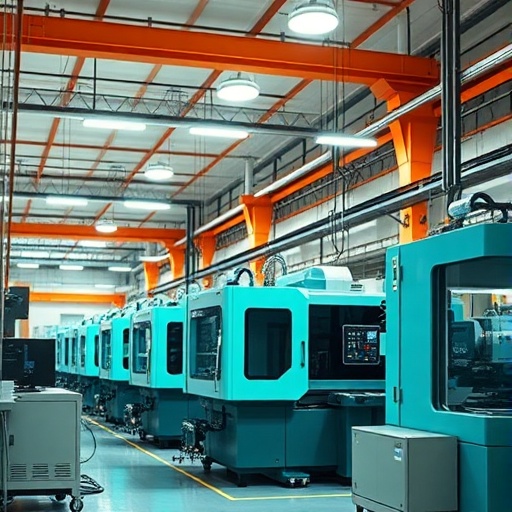
Recent technology upgrades include all-electric presses that improve energy efficiency and repeatability. Real-time cavity pressure monitoring feeds closed-loop control systems that adjust parameters automatically. Additive-manufactured conformal cooling inserts shorten cycle times by directing coolant closer to part surfaces. Simulation software predicts fill patterns and warpage before steel is cut, reducing trial-and-error mold iterations. These tools allow plastic injection molding manufacturers to tackle tighter tolerances and more complex geometries than ever before. Integration with factory data systems also supports predictive maintenance that keeps machines running longer between service intervals.
Sustainability in Injection Molding
Sustainability efforts focus on resin selection, energy reduction, and waste minimization. Many manufacturers now run recycled or bio-based materials while maintaining part performance. Electric machines cut power consumption compared with hydraulic predecessors. Closed-loop water systems and scrap regrind programs lower material costs and landfill impact. Design changes that thin walls without sacrificing strength further reduce plastic usage. Customers increasingly request environmental data from their plastic injection molding manufacturer to meet corporate sustainability targets. These practices demonstrate that efficient production and environmental responsibility can advance together.
The Future of Plastic Injection Molding Manufacturing
The future points toward greater automation, digital twins, and material innovation. Collaborative robots will handle more post-mold operations, while machine learning models optimize cycles based on live sensor data. New high-performance polymers will expand applications in electric vehicles and medical devices. Plastic injection molding manufacturers that invest in these capabilities will capture demand for lighter, stronger, and more precisely engineered components. Continued emphasis on traceability and quality data will satisfy evolving regulatory requirements across global supply chains. The process remains central to modern manufacturing because it combines speed, precision, and scalability in one proven platform.
See Also
- Choosing the Right Plastic Injection Molding Manufacturer for Your Needs
- Exploring the Benefits of Partnering with a Leading Plastic Injection Molding Supplier
- The Future of Injection-Molded Products and What It Means for Manufacturers
- The Rise of Custom Plastic Injection Molding Companies in Modern Manufacturing
- Nicolet Plastics and Their Role in Advancing Injection Molding Techniques