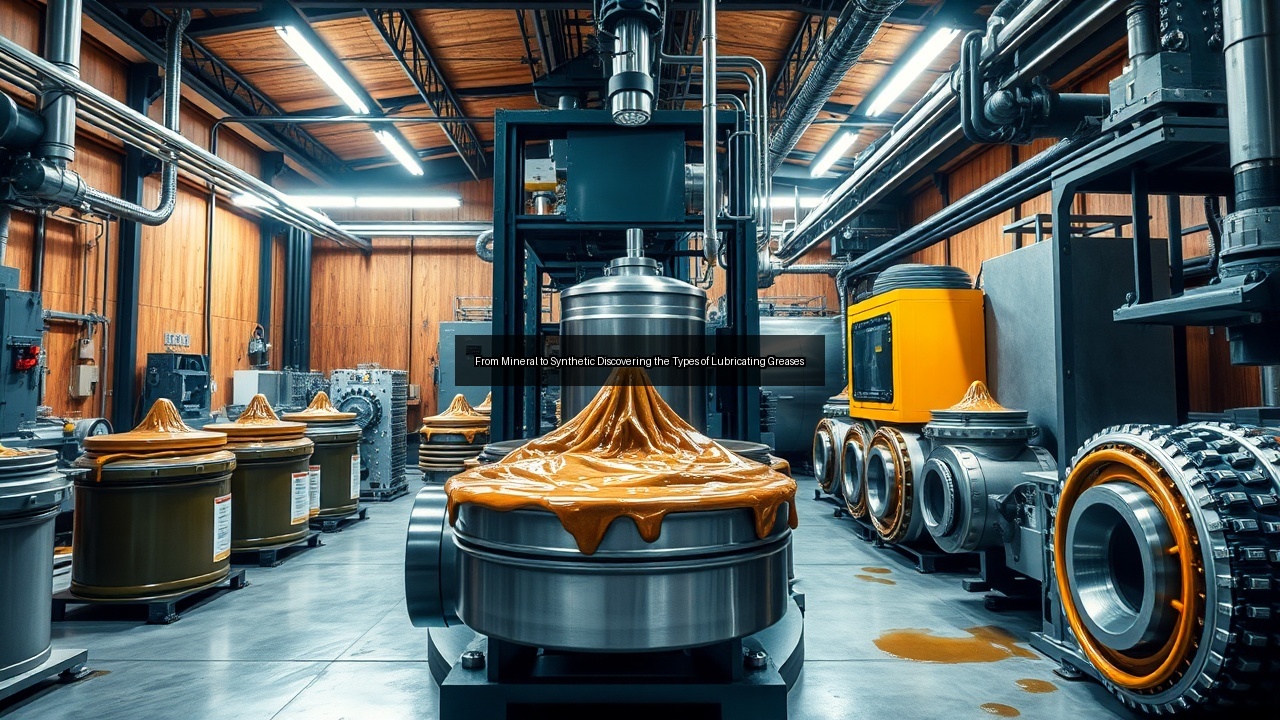
From Mineral to Synthetic Discovering the Types of Lubricating Greases
The Basics of Lubricating Greases: Composition and Properties
Understanding Base Oils: Mineral vs. Synthetic
Lubricating greases primarily derive their performance from their base oils, which can either be mineral or synthetic. Mineral base oils, sourced from crude oil, undergo refining processes to remove impurities and enhance their lubrication properties. These oils possess good lubricating qualities and are cost-effective, making them a popular choice for many applications. However, they can suffer from limitations in extreme conditions, such as high temperatures or severe pressure.
Synthetic base oils, on the other hand, are engineered through chemical processes to create a product that often boasts superior lubrication qualities. These oils can be tailored to specific requirements, providing excellent thermal stability and low-temperature performance. Synthetic greases tend to offer better protection against oxidation, breakdown, and thermal degradation. Choosing between mineral and synthetic base oils depends on the application’s demands, operating conditions, and budget considerations.
Role of Thickeners in Grease Formation
Thickeners play a crucial role in the formulation of lubricating greases, providing the structure that holds the base oil and additives together. Common thickeners include lithium, calcium, and complex soaps, each offering unique benefits. Lithium-based thickeners are widely used due to their excellent heat resistance and water lubes and greases repellency, making them suitable for a variety of machinery applications.
Calcium thickeners also provide good water resistance and are often used in greases designed for outdoor or marine applications. Specialty thickeners, such as silica or clay, can enhance specific properties, such as high-temperature stability. The choice of thickener directly affects the grease's performance, consistency, and resistance to shear, ultimately influencing its effectiveness in reducing friction and wear in bearings and other moving parts.
Chemical Properties and Viscosity of Greases
The chemical properties of greases, including viscosity, significantly impact their lubrication performance. Viscosity refers to a fluid's resistance to flow; in greases, it defines how well the lubricant can adhere to surfaces and maintain a protective film under varying conditions. High viscosity greases provide excellent film strength, making them ideal for heavy-load applications, while low viscosity options offer better penetration and flow in tightly packed machinery.
Greases are measured using the NLGI (National Lubricating Grease Institute) grading system, which classifies them based on their consistency. NLGI grades range from 000 (fluid) to 6 (very stiff), allowing users to select the appropriate grease for their specific needs. Understanding viscosity and chemical properties is essential for ensuring optimal lubrication, reducing friction, and prolonging the life of machinery components.
Types of Lubricating Greases and Their Applications
Mineral-Based Greases: Characteristics and Uses
Mineral-based greases serve as a reliable choice for various applications due to their affordability and decent performance. These greases are commonly used in automotive and industrial settings, where they effectively lubricate bearings, gears, and other moving parts. Their ability to withstand moderate loads and temperatures makes them suitable for general-purpose use.
In the automotive industry, mineral greases often find their way into applications such as axle grease and chassis lubrication. They help in minimizing friction between components, which enhances the overall efficiency of vehicles. Additionally, mineral greases are favored in agricultural machinery, where they protect equipment exposed to dirt, moisture, and varying temperatures. Despite their limitations in extreme conditions, mineral-based greases remain a staple due to their versatility and cost-effectiveness.
Synthetic Greases: Advantages in Modern Machinery
Synthetic greases have gained popularity in modern machinery due to their advanced performance characteristics. These greases excel in high-load and high-temperature applications, making them ideal for demanding environments such as aerospace, automotive, and heavy machinery industries. The engineering of synthetic lubricants allows for tailored properties, such as enhanced oxidation stability and lower volatility, which contribute to longer service intervals.
In automotive applications, synthetic greases outperform their mineral counterparts, providing superior protection against wear and tear. They maintain their viscosity over a wide temperature range, ensuring consistent lubrication. Additionally, synthetic greases often incorporate additives that improve their performance, such as anti-wear agents and corrosion inhibitors. As machinery becomes more sophisticated, the demand for synthetic greases continues to rise, positioning them as a vital component of modern lubrication technology.
Specialty Greases: Calcium, Lithium, and Sulfonate
Specialty greases encompass a range of formulations designed for specific applications, offering unique benefits that standard greases may not provide. Calcium greases are known for their excellent water resistance and are often used in marine environments or applications exposed to moisture. Their ability to perform in wet conditions makes them a preferred choice for construction and mining machinery.
Lithium greases, widely used across various industries, offer high-temperature stability and good mechanical properties. They perform exceptionally well in automotive applications, providing reliable lubrication for bearings and joints. Lithium complex greases enhance these properties further, making them suitable for extreme conditions.
Sulfonate greases combine the advantages of calcium and lithium, offering exceptional performance in high-pressure environments. They resist water washout and provide excellent corrosion protection, making them ideal for heavy-duty applications in agriculture and construction. Understanding the specific characteristics of these specialty greases allows users to make informed decisions tailored to their operational needs.
Selecting the Right Grease for Different Environments
Grease Performance in High Pressure and Temperature Conditions
Choosing the right greases for high-pressure and high-temperature conditions is critical for ensuring the longevity and efficiency of machinery. High-pressure environments demand lubricants that can maintain their structural integrity under stress, preventing breakdown and ensuring consistent lubrication. Greases formulated with high viscosity and robust thickeners perform better in these situations, as they resist shear and maintain a protective film on critical components.
Temperature is another key factor in grease selection. In applications with elevated temperatures, synthetic greases often outperform mineral greases, providing better thermal stability and resistance to oxidation. Users should consider the specific temperature ranges and pressure levels their machinery operates under, ensuring that the selected grease can withstand these conditions without compromising lubrication performance.
Water Resistance and Its Importance in Various Industries
Water resistance is crucial for lubricating greases, particularly in industries such as agriculture, mining, and construction, where machinery is often exposed to moisture. Greases that exhibit high water resistance prevent washout and maintain lubrication effectiveness in wet environments. This characteristic helps to protect bearings and other critical components from corrosion and wear.
In marine applications, water-resistant greases are essential for preventing rust and ensuring smooth operation in harsh conditions. Manufacturers often incorporate additives that enhance the water-repelling properties of greases, thereby extending their service life and reliability. Understanding the water resistance of greases helps users select the right product for their specific operational environments, enhancing machinery performance and durability.
NLGI Grades: Understanding Consistency and Performance
The NLGI grading system plays a vital role in selecting lubricating greases, as it defines the consistency and performance characteristics of the product. Users can choose from a range of grades based on their specific application needs. For example, NLGI 0 to 2 grades offer softer greases suitable for applications requiring easy flow and penetration, while higher grades like NLGI 3 to 6 provide stiffer options for heavy-load situations.
NLGI grades help ensure that the chosen grease can adequately lubricate moving parts without leaking or losing effectiveness under operational stresses. Users must consider the environmental conditions and the type of machinery when selecting the appropriate NLGI grade. This understanding ensures optimal performance, reduces friction, and prolongs the life of equipment.
Innovations in Grease Technology: Future Trends
Advancements in Lubricant Formulations
Recent advancements in lubricant formulations have led to the development of greases that provide enhanced performance and sustainability. Manufacturers increasingly focus on formulating greases that use bio-based or environmentally friendly materials, reducing the ecological impact without compromising effectiveness. Innovations in additive technology have also improved the performance of greases, increasing their resistance to oxidation, wear, and corrosion.
Smart lubricants that incorporate sensors are emerging, allowing for real-time monitoring of grease conditions. These innovations enable predictive maintenance, helping users identify potential issues before they lead to machinery failures. As the industry continues to evolve, advancements in lubricant formulations will play a crucial role in enhancing efficiency, reducing downtime, and promoting sustainable practices.
The Role of Greases in Energy Efficiency
Greases significantly contribute to energy efficiency in machinery by reducing friction and wear between moving parts. Effective lubrication minimizes energy losses, leading to improved operational efficiency and reduced energy consumption. Selecting the right greases can help industries lower their carbon footprint and operating costs, aligning with global sustainability goals.
As energy efficiency becomes a priority across sectors, manufacturers are focusing on producing greases that optimize performance while minimizing environmental impact. Innovations in formulation and technology enhance the energy-saving capabilities of lubricating greases, making them a vital component in modern manufacturing and machinery operations.
Grease Applications in Automotive, Agriculture, and Construction
Greases find extensive applications across various industries, including automotive, agriculture, and construction. In the automotive sector, lubricating greases are essential for ensuring smooth operation and longevity of components such as bearings, joints, and chassis. The right grease can enhance vehicle performance, reduce wear, and improve fuel efficiency.
In agriculture, greases protect equipment from the harsh conditions of field operations, providing reliable lubrication in outdoor environments. Similarly, in the construction industry, greases are vital for heavy machinery, ensuring smooth operation and reducing downtime. The diversity of grease applications across these industries underscores the importance of selecting the right lubricant to meet specific operational demands and enhance productivity.
See Also
- Greases and Environmental Challenges Finding Solutions for Sustainable Lubrication
- The Science Behind Greases and Their Role in Reducing Friction
- A Deep Dive into Calcium Sulfonate Grease and Its Advantages
- Enhancing Performance with Lithium Grease in Automotive Settings
- The Evolution of Greases in Modern Engineering Solutions