How to Find the Best Carbon Steel Product Distributor Near You
Understanding Carbon Steel and Its Applications
What is Carbon Steel?
Carbon steel is a versatile material composed primarily of iron and carbon, with varying carbon content that significantly influences its properties and uses. Unlike stainless steel, which contains chromium for corrosion resistance, carbon steel is prized for its strength, durability, and ability to withstand significant stress. The carbon content typically ranges from 0.05% to 2%, categorizing it into low, medium, and high carbon steel. This classification not only affects the mechanical characteristics of the steel but also its suitability for different applications in industries such as construction, manufacturing, and transportation.
Types of Carbon Steel: Low, Medium, and High Carbon
Understanding the different types of carbon steel is crucial for selecting the right material for your project. Low carbon steel, containing approximately 0.05% to 0.25% carbon, offers excellent ductility and weldability, making it ideal for sheet metal applications, automotive body parts, and structural components. Medium carbon steel, with a carbon content of 0.25% to 0.60%, strikes a balance between strength and ductility, often used in the production of gears, axles, and other components requiring higher strength. High carbon steel, exceeding 0.60% carbon, provides exceptional hardness and wear resistance, making it suitable for cutting tools, blades, and high-stress applications. Each type of carbon steel serves specific needs, so understanding these distinctions helps in choosing the right carbon steel distributor.
Common Uses of Carbon Steel in Construction and Infrastructure
Carbon steel plays a pivotal role in construction and infrastructure, serving as the backbone of structural integrity in buildings, bridges, and roads. It is commonly used in the form of sheets, beams, and pipes, where its strength and adaptability ensure reliable performance. For example, carbon steel sheets are often used for roofing and siding, while carbon steel pipes are essential for plumbing and transportation of fluids. The material's ability to withstand high stress makes it a popular choice for reinforcing concrete structures, ensuring safety and longevity. As cities grow and infrastructure demands increase, the need for high-quality carbon steel products remains critical, reinforcing the importance of selecting a reputable carbon steel distributor.
Identifying Your Needs in a Carbon Steel Distributor
Key Factors to Consider When Choosing a Distributor
Selecting the right carbon steel distributor involves several key considerations. First, assess the distributor's product range. A comprehensive inventory ensures you can find the specific types of carbon steel you need, whether it’s low carbon steel for welding or high carbon steel for cutting tools. Next, consider the distributor’s reputation for reliability and customer service. Read reviews and seek recommendations from industry peers to gauge their track record. Additionally, evaluate their delivery capabilities and turnaround times to ensure you receive materials promptly, especially when working on tight deadlines. Finally, look for distributors who offer competitive pricing without compromising quality, as this balance can significantly impact your project's budget and success.
Types of Carbon Steel Products: Sheets, Pipes, and Alloys
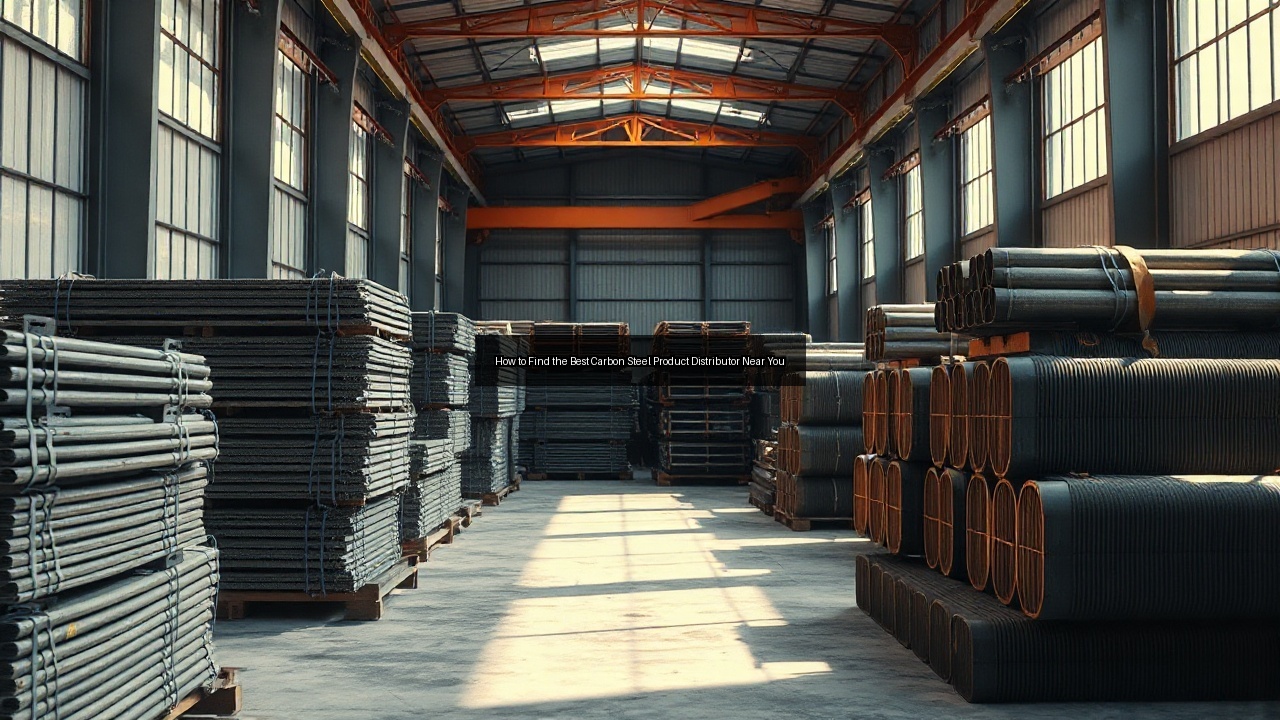
Carbon steel is available in various forms, each serving distinct purposes in construction and manufacturing. Sheets are commonly used for fabrication, automotive applications, and as structural panels due to their ease of handling and versatility. Steel pipes, essential for plumbing and structural applications, come in various diameters and thicknesses to accommodate different needs, including welded and seamless options. Alloy carbon steel combines other elements, such as manganese or nickel, distributes carbon steel CA to enhance specific properties, making it suitable for demanding applications where additional strength and resistance are required. Identifying the right type of carbon steel product not only simplifies your procurement process but also ensures optimal performance in your projects.
Importance of Quality and Certification
Quality and certification play crucial roles in selecting a carbon steel distributor. Reliable distributors provide products that meet industry standards and certifications, such as ASTM or ISO, indicating compliance with specific performance criteria. Low-quality carbon steel can lead to failures in critical applications, potentially resulting in costly repairs or safety hazards. When evaluating potential suppliers, inquire about their quality control processes and the certifications their products hold. A reputable distributor will be transparent about their sourcing and manufacturing practices, ensuring that you receive high-quality materials. Investing time in understanding quality can save significant resources and enhance the durability of your projects.
Finding Reliable Carbon Steel Distributors in Your Area
Using Online Resources to Locate Distributors
Online resources offer a convenient way to find reliable carbon steel distributors near you. Utilize search engines with keywords like “carbon steel distributor near me” or “distributes carbon steel CA” to generate a list of potential suppliers. Websites like ThomasNet and IndustryNet provide directories of manufacturers and distributors, allowing you to filter results based on location and product offerings. Additionally, platforms such as LinkedIn can connect you with industry professionals and suppliers, enabling you to read company reviews and gain insights into their reputations. Don’t overlook the power of social media; many distributors showcase their products and services on platforms like Facebook and Instagram, providing another avenue for research and contact.
Networking with Industry Professionals
Networking within your industry can yield valuable insights into finding reputable carbon steel distributors. Attend trade shows, industry conferences, and local meetups focused on construction and manufacturing. Engaging with peers allows you to gather first-hand recommendations and experiences regarding various suppliers. Establishing connections with professionals in the field not only aids in identifying trustworthy distributors but also opens doors for potential collaborations on future projects. Consider joining industry-specific associations or forums, as these platforms often provide resources and discussions that can guide you in selecting the best carbon steel supplier for your needs.
Evaluating Local Suppliers: What to Look For
Once you've identified potential carbon steel distributors, evaluating local suppliers becomes essential. Visit their facilities, if possible, to assess their inventory and manufacturing capabilities. Pay attention to the organization and cleanliness of the warehouse, as these factors often indicate the distributor’s commitment to quality. Review their customer service approach; friendly and knowledgeable staff can make the procurement process smoother and more efficient. Additionally, inquire about their lead times and flexibility in fulfilling orders. A distributor that can accommodate your project timelines demonstrates reliability and a commitment to customer satisfaction. Finally, request samples to evaluate the quality of their carbon steel products before making a purchasing decision.
Questions to Ask Your Potential Carbon Steel Distributor
Inquiries About Product Range and Availability
When approaching a potential carbon steel distributor, ask detailed questions about their product range and availability. Inquire whether they stock a variety of carbon steel types, such as low, medium, and high carbon steel, as well as specific products like sheets, pipes, and alloy variations. Understanding the breadth of their inventory ensures that you can source all necessary materials from a single supplier, streamlining your procurement process. Additionally, ask about their ability to fulfill large orders and their lead times for restocking. A distributor who can provide consistent availability guarantees that your projects remain on schedule without unnecessary delays.
Understanding Pricing and Shipping Options
Pricing transparency is vital when selecting a carbon steel distributor. Ask for detailed quotes that outline pricing structures, including bulk order discounts or shipping costs. Understanding how pricing fluctuates based on quantity and product type can help you budget effectively. Additionally, inquire about shipping options and timelines. A distributor who offers flexible shipping solutions, whether local delivery or freight options, can significantly impact your project efficiency. Discuss any potential extra charges related to shipping or handling, as these can affect your overall costs. Clear communication about pricing and logistics prevents surprises and fosters a reliable partnership.
Assessing Customer Service and Support
Customer service can make or break your experience with a carbon steel distributor. Evaluate their responsiveness to inquiries, willingness to provide technical support, and capacity to address concerns. Ask how they handle returns or defective products, as a distributor with a solid customer support system can save you time and money in the long run. Consider reaching out to past clients for testimonials regarding their experiences with the distributor’s service. A distributor that prioritizes customer satisfaction will likely ensure a smoother procurement process and foster a long-term business relationship.