The Art of Lubrication Choosing the Right Grease for Optimal Performance
Understanding Lubrication: The Essentials of Grease
What is Grease and Why is it Important?
Grease serves as a crucial component in the maintenance and performance of machinery and tools. Comprised of a lubricant base oil thickened with a soap or other thickening agent, grease provides a semi-solid consistency that adheres to surfaces, reducing friction and wear. This characteristic makes grease indispensable in applications where liquid lubricants would simply drain away. The importance of grease extends beyond mere lubrication; it protects against corrosion, serves as a seal against contaminants, and maintains consistent performance under a variety of conditions. Failing to use the right grease can lead to increased wear and tear, decreased efficiency, and ultimately, costly repairs.
The Role of Lubrication in Performance
Lubrication significantly impacts the performance of machinery and tools. It reduces friction between moving parts, minimizing heat generation and wear. Effective lubrication also enhances energy efficiency, allowing machines to operate smoothly and with less power consumption. In high-pressure environments, such as those found in industrial applications, the right grease can withstand extreme conditions, ensuring that equipment remains operational. Proper lubrication not only prolongs the life of tools and machinery but also enhances overall productivity by preventing breakdowns and reducing downtime. Grease, therefore, plays a pivotal role in maintaining optimal performance across various applications.
Types of Greases: A Comparative Overview
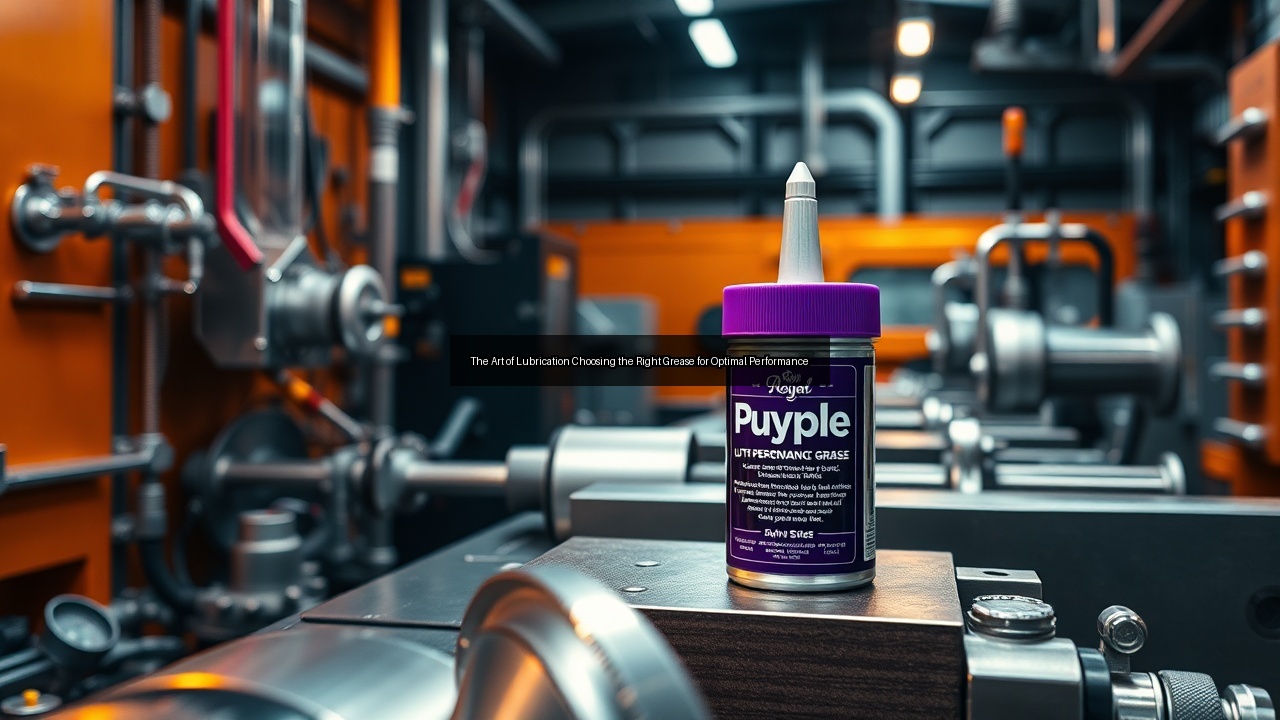
Greases vary widely based on their composition and intended use. Common types include lithium-based, calcium-based, and polyurea greases, each offering unique benefits. Lithium-based greases, for instance, are versatile and provide good water resistance, making them suitable for various applications. Calcium-based greases excel in moisture resistance, while polyurea greases are known for their thermal stability and extended life. Understanding the differences between these types is essential for selecting the right grease for specific applications. High performance greases, such as royal purple ultra performance grease, combine advanced formulations to deliver superior protection, making them ideal for demanding environments. With the right grease, users can achieve optimal performance and longevity from their tools and machinery.
Choosing the Right Grease for Different Materials
Grease for Steel: Requirements and Recommendations
When lubricating steel components, selecting the appropriate grease is vital. Steel, known for its strength and durability, often requires a high-performance grease that can withstand heavy loads and resist wear. Lithium-based greases are popular choices for steel due to their ability to provide excellent adhesion and resistance to water washout. Additionally, greases with EP (extreme pressure) additives offer enhanced protection for steel components under high-stress conditions. For applications involving high temperatures or fast-moving parts, consider using a synthetic grease that delivers superior thermal stability and performance. Ensuring that you choose the right grease not only prolongs the life of steel tools and machinery but also optimizes their efficiency.
Lubricating Aluminum: Special Considerations
Aluminum presents unique challenges when it comes to lubrication. Its softer nature compared to steel makes it more susceptible to wear and damage. Therefore, selecting a grease that minimizes friction while providing adequate protection is crucial. Aluminum components often benefit from the use of non-corrosive greases, as aluminum can react adversely to certain additives found in some lubricants. A high-performance grease like royal purple ultra performance grease, renowned for its compatibility with various materials, is an excellent choice for aluminum. It not only provides robust lubrication but also protects against corrosion and oxidation. When lubricating aluminum, consider the operating environment, temperature, and load conditions to ensure optimal performance and longevity.
Factors Influencing Grease Selection Based on Tools
The selection of grease is influenced by several factors related to the tools being used. First, consider the operating conditions, such as temperature, pressure, and exposure to contaminants. High temperatures may require synthetic greases capable of maintaining their properties under extreme conditions. Similarly, tools exposed to moisture or dust may benefit from greases with enhanced sealing properties. The type of movement involved also plays a role; for instance, oscillating or rotating tools may require different grease formulations to handle varying stress levels. Finally, always consult manufacturer recommendations when selecting grease for specific tools, as they often provide invaluable guidance to ensure optimal performance and prevent damage.
The Advantages of Royal Purple Ultra Performance Grease
High Performance Characteristics and Benefits
Royal purple ultra performance grease stands out for its superior formulation that combines advanced synthetic oils with high-quality additives. This blend provides excellent protection against wear, extreme pressure, and thermal degradation. Users benefit from reduced friction and lower operating temperatures, translating into improved efficiency and longevity of equipment. The grease also resists water washout and repels contaminants, ensuring that machinery remains protected even in challenging environments. Additionally, its compatibility with various materials, including steel and aluminum, makes it a versatile choice for different applications. By choosing royal purple ultra performance grease, operators can enhance the performance and reliability of their tools and machinery.
Application Techniques: Grease Guns and Air Pumps
Applying grease correctly is crucial for achieving optimal performance. Grease guns and air pumps serve as popular methods for dispensing grease effectively. Grease guns allow for precise application, making it easier to target specific areas and control the amount of grease used. Air pumps, on the other hand, are ideal for larger applications, offering faster grease distribution. When using these tools, ensure that you apply grease in accordance with manufacturer guidelines, as over-greasing can lead to problems such as seal failure and increased pressure. Always inspect fittings and connection points to prevent contaminants from entering the lubrication system. Proper application techniques ensure that royal purple ultra performance grease delivers its full benefits for enhanced performance.
Testing Pressure and Performance in Real-World Scenarios
Testing the pressure and performance of grease in real-world scenarios helps verify its effectiveness. Conducting tests under various load conditions and temperatures provides valuable insights into how a specific grease performs in practice. Royal purple ultra performance grease has undergone rigorous testing, demonstrating its capability to withstand high pressures while maintaining stability. Users can evaluate performance indicators such as wear rates, temperature stability, and resistance to breakdown over time. These tests ensure that operators can confidently choose the right grease for their applications, knowing that it will deliver the performance needed to keep tools and machinery running smoothly.
Maintaining Optimal Performance with Grease
Best Practices for Grease Application
Adhering to best practices for grease application is essential to maintain optimal performance. Start by cleaning the surfaces to eliminate any old grease, dirt, or debris that could hinder adhesion. Apply grease evenly, using the appropriate amount as recommended by the manufacturer. Regularly check lubrication points and refresh grease as needed to ensure consistent performance. Document application schedules and monitor usage to identify patterns or changes in grease behavior. By following these best practices, operators can maximize the benefits of high-performance greases like royal purple ultra performance grease, ensuring their tools and machinery remain in peak condition.
Common Mistakes in Lubrication
Common lubrication mistakes can lead to decreased performance and increased wear. One significant error is over-greasing, which can cause excessive pressure build-up and seal failures. Under-greasing is equally detrimental, as it can lead to insufficient protection and accelerated wear. Another mistake involves using the wrong type of grease, which may not provide the necessary properties for specific applications. Always ensure that the selected grease is compatible with the materials in use. Additionally, failing to clean old grease before applying new lubricant can trap contaminants and cause damage. Avoiding these common pitfalls will enhance the performance of tools and machinery significantly.
When to Replace Grease and Signs of Degradation
Understanding when to replace grease is vital for maintaining optimal performance. Regular inspections should reveal signs of degradation, such as discoloration, separation, or an unpleasant odor. Grease that appears dry or gritty may indicate contamination or breakdown. Additionally, if machinery operates at higher temperatures than usual, it may signal that the grease has lost its effectiveness. Establish a regular maintenance schedule to check grease condition and replace it as needed. By keeping a close eye on grease quality, operators can ensure that machinery continues to run efficiently, maximizing the benefits of high-performance greases like royal purple ultra performance grease.
See Also
- Royal Purple Ultra Performance Grease A Must-Have for Automotive Enthusiasts
- Royal Purple Ultra Performance Grease How It Stands Up Against Extreme Pressure
- Why Royal Purple Ultra Performance Grease is a Game Changer for Metalworkers
- How to Apply Royal Purple Ultra Performance Grease Effectively for Maximum Results
- Why Every DIY Enthusiast Needs Royal Purple Ultra Performance Grease in Their Toolbox