The Role of Lubricating Greases in Optimizing Steel Production Efficiency
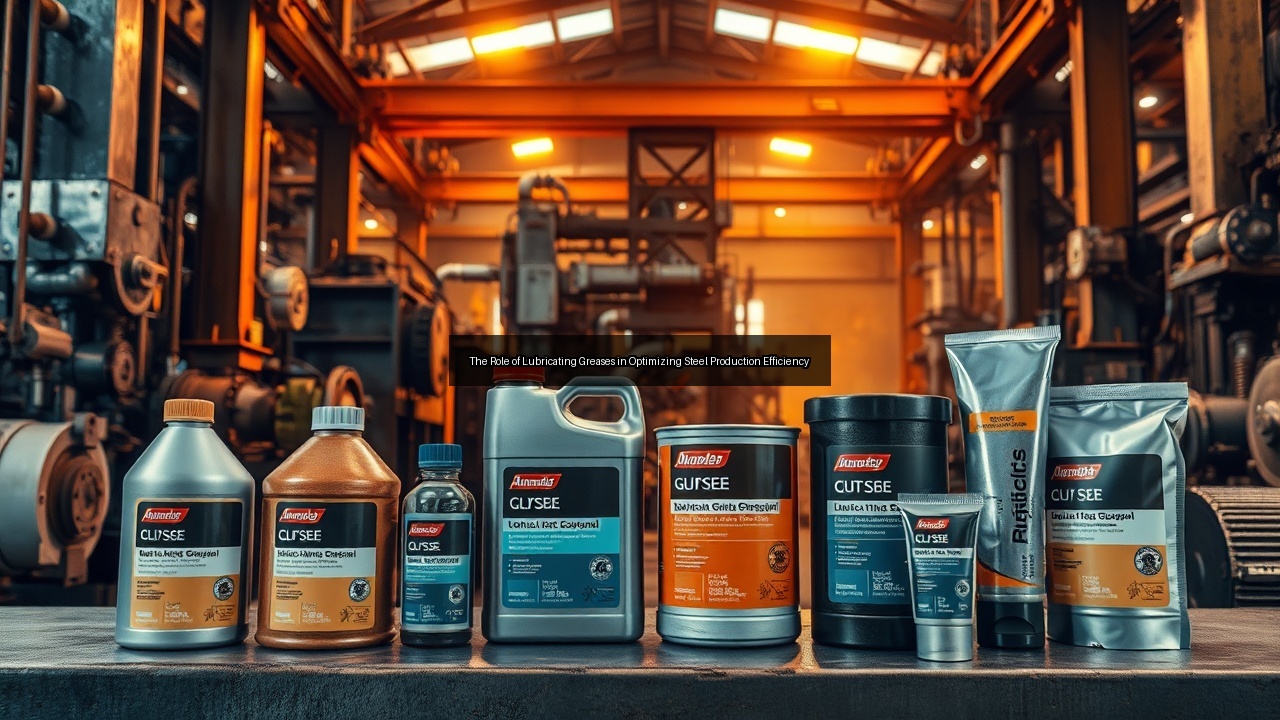
Understanding the Importance of Lubricating Greases in Steel Production
The Role of Lubricants in Steel Mills
Lubricating greases play a critical role in enhancing the performance and longevity of equipment within steel mills. These lubricants reduce friction between moving parts, which is essential given the high temperatures and heavy loads typical in steel production. Effective lubrication not only minimizes wear and tear on machinery but also optimizes the overall efficiency of steel manufacturing processes. Proper lubricant application ensures seamless operation in various stages of production, including rolling, casting, and finishing. By maintaining the integrity industrial lubricant of components, lubricants contribute significantly to the reliability of operations, thereby supporting the steel industry's demand for high-quality outputs.
Types of Steel Mill Lubricants
The steel industry utilizes a variety of lubricants, each tailored to specific applications and conditions. Common categories include oils, greases, and metalworking fluids, with each type serving distinct functions within the steel mill environment. For instance, greases are often employed in bearings, gearboxes, and other critical components, providing excellent adhesion and protection against contaminants. Meanwhile, oils are favored for their ability to flow easily, making them suitable for cooling and lubrication in high-speed applications. Metalworking fluids, essential for processes like cutting and machining, help to dissipate heat and remove metal shavings, enhancing the overall efficiency of steel production. Understanding the distinct roles of these lubricants aids steel manufacturers in selecting the right products for their specific needs.
Impact on Steel Production Efficiency
The impact of lubricating greases on steel production efficiency cannot be overstated. By reducing friction and wear, these lubricants enable machinery to operate more smoothly and at higher speeds, which is crucial for maximizing productivity. Efficient lubrication results in lower energy consumption, as machines do not have to work as hard to overcome resistance. Additionally, well-lubricated equipment often experiences fewer breakdowns, translating into reduced maintenance costs and downtime. Consequently, optimizing lubricant use not only enhances production rates but also promotes a more sustainable approach in steel manufacturing, aligning with industry goals for efficiency and cost-effectiveness.
Key Applications of Lubricating Greases in Steel Manufacturing
Greases in Hot Rolling Processes
Hot rolling processes present unique challenges that require specialized lubricating solutions. Greases used in these applications must withstand extreme temperatures and pressures while providing reliable lubrication to rolling mills. The high temperatures during hot rolling can lead to rapid degradation of standard lubricants, making high-performance greases essential. These greases not only prevent metal-to-metal contact but also protect against oxidation and thermal breakdown. By enhancing the sliding properties between rolls and workpieces, lubricants facilitate smoother processing and reduce the risk of defects, ultimately improving the quality of the finished steel products.
Lubrication Strategies for Continuous Casting
Continuous casting processes rely heavily on effective lubrication to ensure the smooth flow of molten steel into molds. The right lubricating greases play a vital role in optimizing this process by reducing friction between the steel and the mold surfaces. Implementing a targeted lubrication strategy that includes high-temperature greases can improve the casting speed and quality, leading to less rework and higher yields. Additionally, proper lubricant application reduces the risk of casting defects, such as surface irregularities and inclusions, which can compromise the structural integrity of the steel. Therefore, effective lubrication not only enhances process efficiency but also contributes to the overall quality of the finished steel products.
Enhancing Productivity in Mini Mills
Mini mills, known for their flexibility and lower production costs, also benefit significantly from optimized lubrication practices. In these smaller-scale steel plants, where operational efficiency is paramount, the selection of appropriate lubricating greases can lead to substantial productivity gains. The compact machinery used in mini mills often requires specialized lubricants that cater to their unique operational profiles. Implementing a comprehensive lubrication program helps in minimizing friction and wear, ensuring that equipment runs smoothly and effectively. This results in improved throughput and reduced cycle times, making mini mills a competitive choice in the steel industry.
Cost Benefits of Optimizing Lubricant Use in Steel Plants
Reducing Wear and Tear on Equipment
Optimizing lubricant use in steel plants directly contributes to reducing wear and tear on equipment. Lubricating greases form a protective film on machine components, which prevents metal-to-metal contact that can lead to abrasive wear. By extending the lifespan of machinery, steel plants can avoid gear lubricants costly replacements and repairs. Regular maintenance that includes the right lubrication practices not only sustains equipment performance but also reduces the frequency of service intervals. This proactive approach promotes a more efficient operation and helps steel manufacturers allocate resources more effectively, ultimately leading to significant cost savings.
Minimizing Downtime and Maintenance Costs
Minimizing downtime is crucial for maintaining productivity in steel production. Effective lubrication strategies reduce the likelihood of equipment failures, which can cause significant interruptions in manufacturing processes. When machines operate smoothly, steel plants experience fewer unplanned outages, allowing for consistent production flow. Furthermore, reducing maintenance costs associated with repairs and servicing directly impacts the bottom line. Investing in high-quality lubricants and developing a routine lubrication schedule can lead to more predictable maintenance cycles, enhancing overall operational efficiency. This strategic investment not only safeguards equipment but also fosters a more stable production environment.
Long-Term Savings from Efficient Lubrication
Efficient lubrication translates to long-term savings for steel plants. While there may be an initial cost associated with high-quality lubricants, the return on investment manifests through reduced equipment failure rates, lower energy consumption, and decreased maintenance expenses. Enhanced productivity leads to increased output, allowing steel manufacturers to meet market demands more effectively. Additionally, a well-maintained lubrication program can contribute to environmental sustainability by minimizing waste and reducing energy usage. Overall, the economic benefits of optimizing lubricants in steel production extend beyond immediate savings, creating a more resilient and competitive operation in the steel industry.
Future Trends in Steel Mill Lubricants
Innovations in Metalworking Fluids
The landscape of steel mill lubricants continues to evolve, with innovations in metalworking fluids driving significant advancements. Researchers are focusing on developing synthetics and bio-based lubricants that offer superior performance while reducing environmental impact. These innovations not only improve lubricating properties but also enhance the cooling capabilities essential in high-stress applications like hot rolling and continuous casting. As the steel industry seeks to reduce its carbon footprint, adopting advanced metalworking fluids can provide a competitive edge, aligning production practices with sustainability goals while maintaining operational excellence.
Sustainability and Eco-Friendly Lubricants
As the steel industry faces increasing pressure to adopt sustainable practices, the demand for eco-friendly lubricants is on the rise. Manufacturers are exploring options such as biodegradable greases and oils that minimize environmental harm while still delivering effective lubrication. These eco-friendly alternatives often utilize renewable resources, reducing the reliance on fossil fuels. Implementing such lubricants not only supports corporate responsibility initiatives but can also enhance a steel plant's reputation in a market that values sustainability. Transitioning to eco-friendly lubricants helps steel manufacturers comply with regulatory requirements and meet consumer preferences for environmentally responsible products.
Adapting to Industry 4.0 in Steel Production
Industry 4.0 represents a transformative shift in manufacturing, and steel mills must adapt accordingly. The integration of smart technologies, such as IoT sensors and predictive analytics, allows for real-time monitoring of lubrication conditions. This data-driven approach enables steel manufacturers to optimize lubricant application precisely, ensuring that machinery receives the right amount of grease or oil at the right time. gear lubricants By leveraging technology, steel plants can enhance their lubrication strategies, leading to improved efficiency, reduced waste, and better overall performance. Embracing these advancements positions steel manufacturers to thrive in an increasingly competitive landscape.
See Also
- The Art of Tube Bending and the Lubricants That Make It Possible
- Choosing the Best Gear Lubricants for Steel Production Machinery
- Impact of High-Performance Oils on Steel Mill Equipment Longevity
- How the Right Lubricant Can Transform Your Steel Mill Operations
- Mastering Steel Mill Lubricants for Enhanced Productivity in Metal Manufacturing