Understanding the Calibration Needs of Dedicated Outdoor Air Systems for Optimal Performance
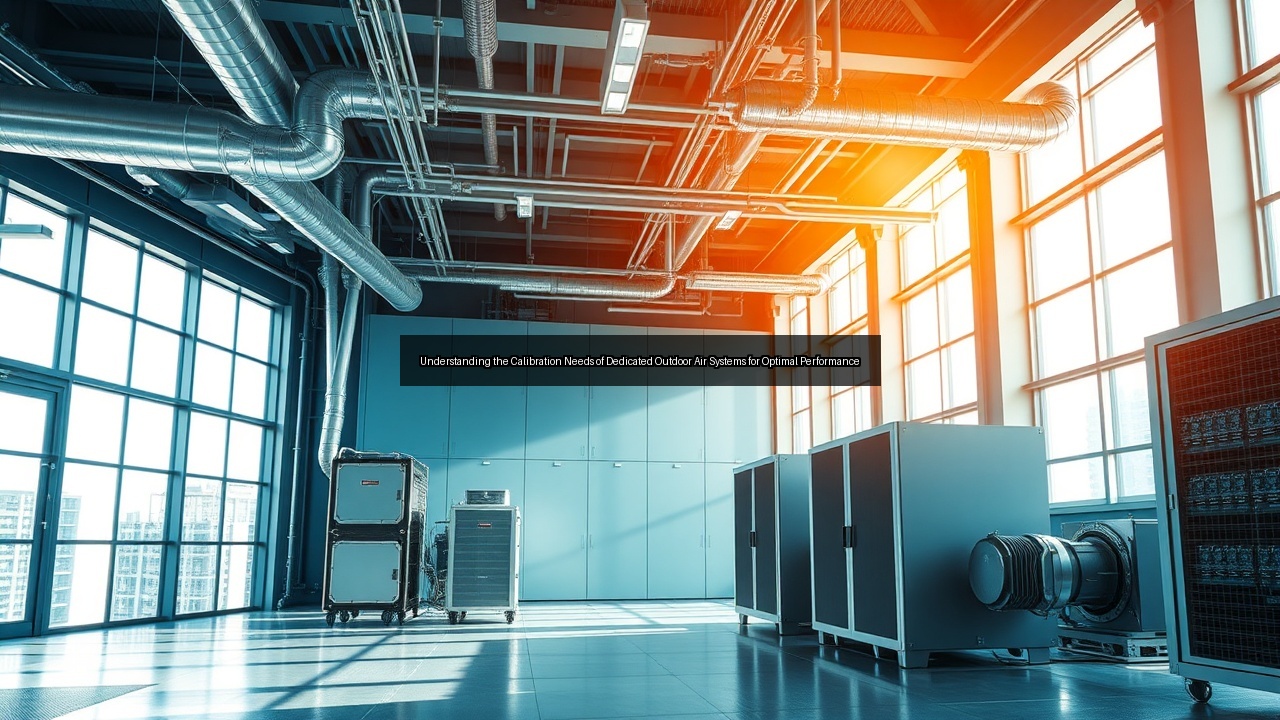
The Importance of Calibration in Dedicated Outdoor Air Systems
Understanding Calibration
Calibration ensures every sensor and control in a dedicated outdoor air system delivers precise readings that match actual conditions. Technicians adjust ozone monitors, carbon dioxide detectors, and airflow meters against certified standards so the system responds correctly to load changes. Without this step, outdoor air systems drift and waste energy while failing to maintain target ventilation rates. Regular checks also verify three phase motors operate at designed speeds and rackmount interfaces transmit accurate data to the central controller. Companies that treat calibration as a core maintenance task notice fewer complaints about stuffy rooms and lower utility bills over time. Proper procedures protect both equipment longevity and occupant health by keeping the entire outdoor air system aligned with design intent.
Impact of Calibration on Air Quality
Accurate calibration directly improves air quality inside buildings served by dedicated outdoor air systems. When sensors read correctly, the system supplies the right volume of filtered outdoor air and removes contaminants before they accumulate. Poor calibration allows carbon dioxide levels to rise unnoticed, creating drowsy environments that reduce productivity. Ozone generators integrated for purification also need precise timing so they neutralize microbes without creating excess byproducts. Field data shows that calibrated outdoor air systems maintain lower particle counts and better humidity control than uncalibrated units. Engineers recommend documenting each calibration session so facility teams can track trends and schedule service before air quality dips below acceptable thresholds.
Ozone and Its Role in Air Systems
Ozone plays a targeted role in dedicated outdoor air systems when used for supplemental purification. Calibration confirms the generator produces the exact concentration needed to oxidize odors and pathogens without exceeding safety limits. Technicians measure output at multiple points along the airstream and adjust controls through the rackmount interface. Overproduction wastes power and risks corrosion on coils, while underproduction leaves biological growth unchecked. In oil and gas facilities, where process emissions vary, calibrated ozone injection maintains consistent air quality despite changing outdoor conditions. This balance supports both regulatory compliance and reliable operation of downstream air conditioning components.
Key Components of Dedicated Outdoor Air Systems
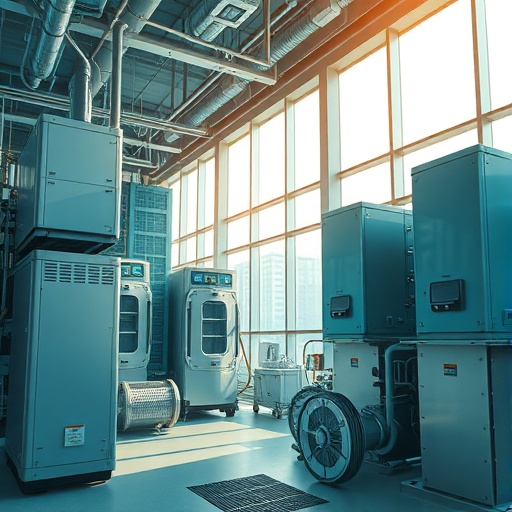
Air Quality Sensors
Air quality sensors form the front line of any dedicated outdoor air system. These devices track particulate matter, volatile organic compounds, and carbon dioxide in real time. Calibration aligns their output with laboratory references so the controller can modulate dampers and fans accurately. When sensors drift, the system either over-ventilates and wastes energy or under-ventilates and allows contaminants to build. Modern units mount directly in the intake plenum and communicate through rackmount interfaces for centralized monitoring. Regular zero and span checks keep readings trustworthy across seasonal temperature swings. Facilities that invest in high-grade sensors paired with disciplined calibration routines report steadier indoor conditions and fewer service calls related to air quality complaints.
Three Phase Motors and Drives
Three phase motors and their variable frequency drives power the fans that move conditioned outdoor air through dedicated outdoor air systems. Calibration of the drive parameters ensures the motor matches the exact airflow requirements calculated during design. Incorrect settings cause the motor to run above or below optimum speed, raising energy use and shortening bearing life. Technicians verify voltage balance, current draw, and ramp rates during each service visit. In applications such as oil and gas platforms, where reliability matters most, properly calibrated three phase motors maintain continuous ventilation even when ambient temperatures fluctuate widely. This attention to motor calibration protects both the equipment and the air quality delivered to occupied spaces.
Rackmount Interfaces for Control
Rackmount interfaces consolidate signals from every sensor and actuator in a dedicated outdoor air system into one accessible panel. Calibration of these interfaces confirms that analog and digital inputs match actual field values before the data reaches the building automation platform. A miscalibrated input can cause the controller to ignore high carbon dioxide readings or misinterpret ozone levels. Maintenance teams use the rackmount layout for quick diagnostics because all wiring and terminals remain organized and labeled. When technicians recalibrate the interface during scheduled visits, they also update firmware to maintain compatibility with newer air quality sensors. This practice keeps the entire outdoor air system responsive and easy to troubleshoot.
Applications and Benefits of Dedicated Outdoor Air Systems
Engineering Solutions for Oil and Gas
Engineering teams specify dedicated outdoor air systems for oil and gas sites because these environments demand strict control of both process emissions and worker exposure. Calibration of sensors and drives ensures the system can handle variable exhaust rates from compressors and flare stacks while still delivering clean air to control rooms. Three phase motors calibrated for continuous duty resist the corrosive atmosphere typical of these facilities. Rackmount interfaces allow operators to monitor performance from remote locations, reducing the need for frequent site visits. The result is reliable ventilation that meets safety regulations without excessive energy consumption. Companies operating in remote fields value this combination of durability and precision that only consistent calibration can sustain.
Air Conditioning Efficiency
Dedicated outdoor air systems improve overall air conditioning efficiency by decoupling ventilation from space cooling. Calibration of airflow and temperature sensors lets the DOAS deliver preconditioned outdoor air at the precise enthalpy needed, so downstream cooling coils handle only sensible loads. When motors and drives operate at calibrated speeds, fan energy drops noticeably. Ozone and filtration stages also stay effective because airflow rates remain within design tolerances. Facility managers track efficiency gains through energy management dashboards connected to the rackmount interface. Over time, these calibrated systems reduce peak demand charges and extend the life of chillers and rooftop units that no longer process untreated outdoor air.
Reliability in Server Rooms
Server rooms require stable temperature, humidity, and air quality to protect sensitive electronics. A dedicated outdoor air system with calibrated sensors maintains carbon dioxide levels low enough to satisfy both equipment and personnel needs. Three phase motors run continuously without overheating because their drives receive accurate feedback through the rackmount interface. Calibration also verifies that filtration and optional ozone treatment remove airborne contaminants before they reach server intakes. When calibration schedules are followed, downtime from overheating or corrosion drops significantly. Data centers that adopt this approach report higher uptime metrics and lower maintenance costs compared with facilities that rely on less precise ventilation strategies.
Cost Factors and Considerations for Calibration
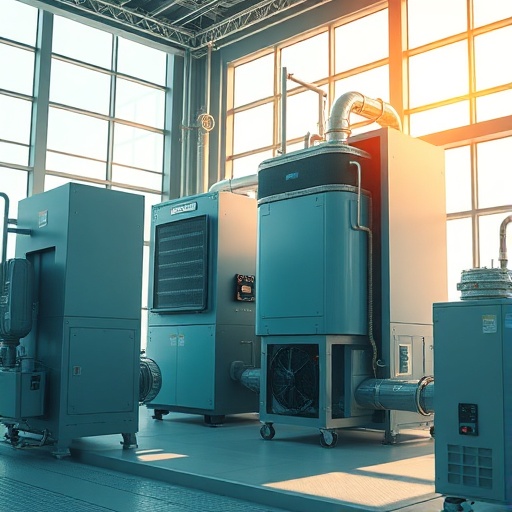
Initial Investment vs. Long-term Savings
The upfront cost of calibration equipment and training pays for itself through reduced energy waste and fewer equipment replacements. A dedicated outdoor air system that receives regular calibration uses less power because fans and compressors operate only as needed. Companies also avoid expensive emergency repairs when sensors drift and trigger false alarms or system shutdowns. Over five years, the savings in utility bills and extended motor life often exceed the initial calibration investment by several times. Oil and gas operators note that calibrated systems require fewer spare parts because three phase motors and drives experience less stress. This financial advantage grows when the same calibration discipline applies across multiple outdoor air systems on one campus.
Cost of Calibration Services
Calibration services for dedicated outdoor air systems range from basic sensor checks to full-system verification that includes ozone generators and three phase drives. Pricing depends on the number of points measured and whether technicians must travel to remote sites. Many companies schedule these visits during planned shutdowns to minimize operational disruption. Rackmount interface recalibration adds modest cost but prevents larger issues downstream. Facilities that bundle calibration with filter changes and motor inspections usually negotiate lower per-visit rates. The key is treating calibration as a predictable operating expense rather than an unexpected line item that appears after performance problems surface.
Impact on Overall System Performance
Calibration directly influences every performance metric of a dedicated outdoor air system. Properly adjusted sensors keep carbon dioxide and ozone within setpoints, while calibrated motors deliver design airflow without excess power draw. When any component drifts, the entire outdoor air system compensates by running longer or harder, increasing wear on air conditioning coils and filters. Documented calibration records also support warranty claims and regulatory audits. Over the life of the equipment, consistent calibration maintains the reliability that engineering teams expect when they specify dedicated outdoor air systems for critical applications such as server rooms and process facilities.
Best Practices for Maintaining Optimal Performance
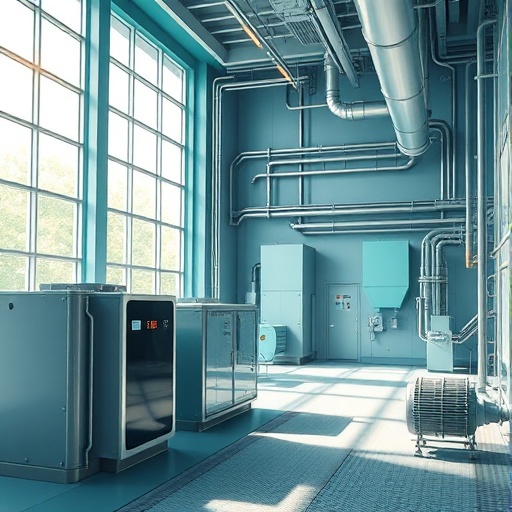
Regular Calibration Schedules
Establishing fixed calibration intervals prevents gradual drift in dedicated outdoor air systems. Most manufacturers recommend quarterly checks for air quality sensors and annual verification of three phase motor parameters. Technicians log results through the rackmount interface so trends become visible before they affect performance. Seasonal adjustments account for changes in outdoor temperature and humidity that alter sensor behavior. Companies that follow these schedules experience fewer comfort complaints and lower energy use. A simple calendar reminder combined with spare sensor inventory keeps the process efficient and avoids last-minute scrambles when audits approach.
Monitoring Carbon Dioxide Levels
Continuous monitoring of carbon dioxide provides immediate feedback on whether a dedicated outdoor air system supplies adequate ventilation. Calibrated sensors feed data to the controller, which modulates outdoor air intake in response to occupancy. When levels stay below 800 parts per million, occupants remain alert and productive. Facilities that integrate these readings with the rackmount interface can generate reports for building certification programs. Regular calibration ensures the monitor does not underreport concentrations, which would allow stuffy conditions to develop unnoticed. This practice supports both occupant well-being and compliance with ventilation standards.
Integrating with Existing Air Systems
Successful integration of a dedicated outdoor air system with existing air conditioning infrastructure requires coordinated calibration across both systems. Technicians verify that the DOAS supply temperature and humidity match the expectations of downstream cooling coils. Three phase motors in both systems receive matching control signals through shared rackmount interfaces. When carbon dioxide or ozone readings change, the combined system responds smoothly rather than fighting itself. Oil and gas sites and data centers that achieve this level of integration report smoother operations and reduced total energy consumption. Ongoing calibration keeps the interface between the two systems reliable year after year.
See Also
- Why Every Business Should Consider Investing in a Dedicated Outdoor Air System
- The Engineering Behind Reliable Dedicated Outdoor Air Systems for Critical Environments
- Unlocking the Benefits of Dedicated Outdoor Air Systems for Enhanced Air Quality
- Dedicated Outdoor Air Systems and Their Impact on Server Room Climate Control
- Cost-Effective Solutions for Implementing Dedicated Outdoor Air Systems in Your Facility